
Open reduction of dislocated hips, osteotomies for dysplasia, and chielectomy for Perthes are well known. Murray, Harris, and Stulberg recognized that so-called primary osteoarthritis of the hip is usually secondary to congenital and developmental conditions.
Timeline of Key Milestones
Over the past century, a series of discoveries and innovations shaped modern hip preservation surgery.
1903
Cam deformity first described
1913
Vulpius described cam osteoplasty
1915
Albee — shelf procedure (acetabuloplasty)
1926
Keys — osteoplasty in severe SCFE did very poorly
1931
Burman in New York performed hip arthroscopy in cadavers
1933
Elmslie — cam and pincer can cause osteoarthritis
1935
Smith-Petersen — pincer impingement and rim trimming
1935
Heyman & Herndon — SCFE osteoplasty
1939
Takagi — first clinical use of hip arthroscopy
1965
Murray — tilt deformity and hip dysplasia cause most osteoarthritis
1975
Stulberg & Harris — pistol grip deformity; no primary osteoarthritis
1976
Solomon — 92% of osteoarthritis is from childhood disorders or inflammatory arthritis
1977
Altenberg — acetabular labral tears causing hip pain
1980
Suzuki — first arthroscopic diagnosis of acetabular labral tear
1987
James Glick — hip arthroscopy in lateral position
2001
Michael Dienst — hip arthroscopy without traction
2009
Voos — peritrochanteric space endoscopy
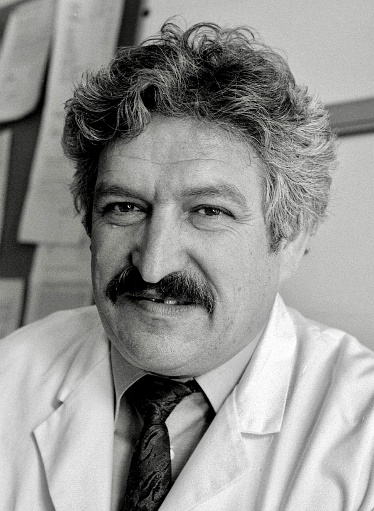
Pioneer
Reinhold Ganz
Reinhold Ganz made foundational contributions that transformed hip preservation surgery.
- Periacetabular osteotomy for dysplasia (1987)
- Identified pain from over-coverage in 5 hips — femoroacetabular impingement (FAI) (1995)
- Developed safe surgical dislocation and studied damage patterns (2001)
- Added rim trimming, femoral neck osteoplasty, and labral repair
- Modified Dunn & Colonna procedures and developed head reduction osteotomy
Development in the United States
Dr. Prasad Gourineni visited Ganz's unit in Bern in 1998 when surgical dislocation was being performed and cam and pincer FAI were being treated. On returning to Chicago, he presented radiographic abnormalities and FAI to US arthroscopists at their course for two years.
They adopted the concepts quickly and developed arthroscopic techniques to treat FAI, subsequently adding:
- FAI-induced instability and micro instability
- Capsular plication and capsulorrhaphy
- Sub-spine impingement
- Association of FAI with sports hernia, osteitis pubis, and SI dysfunction
- Association with muscle strains and traumatic dislocation
Impact on Future Hip Replacement
Most hip preservation procedures performed today do not make future total hip replacement significantly more difficult. These procedures do not create new deformities or decrease bone stock. The surgical scar does make dissection more challenging and minimally invasive surgery is not possible after prior open procedures. Multiple prior procedures do increase the risk of infection.